
THE TURNKEY RETIREMENT SURVIVAL BLOG
Navigating the Life Side of
Retirement
Retirement is more than money. It's identity, purpose, relationships,
technology, income, faith, and learning how to design the next chapter
with intention.
FEATURED POSTS
_____________

The Micro-InteractionsThat Were Quietly Holding Your World Together
There's a kind of loss in retirement that nobody puts a name to. Not the big stuff, not the salary, not the title. The tiny stuff. The stuff you barely noticed while it was happening.
A nod from the person at the coffee station. Someone poking their head in to ask a quick question. An email thread where your opinion was the one everyone was waiting for.
Small moments. Forgettable moments. And yet, your life without them feels emptier than you ever expected.
What Are Micro-Interactions, and Why Do They Matter So Much?
Psychologists use the term "micro-interactions" to describe the brief, low-stakes social exchanges that happen throughout the day in any workplace. These interactions are so ordinary that most people never think about them. But researchers have found that they serve a function far beyond their surface-level content. They are the social equivalent of oxygen, invisible until they're gone.
Each micro-interaction signals to your nervous system that you are embedded in a social web. That other people are aware of you. That your presence has some effect on their day. Multiply that by dozens of times per day, every working day for decades, and you have a constant, low-level reassurance that you matter. The CDC has linked this kind of social disconnection to significantly elevated risks for heart disease and cognitive decline in older adults, which is why what feels like an emotional adjustment often has real physical stakes.
The Quiet Shock of Their Absence
Retirement removes them. Quickly.
The morning of your first week without work, you might feel relief. Peace. Freedom. But somewhere in the first month or two, something starts to feel off in a way that's hard to articulate. Nobody is waiting for your input. The phone is quiet. A strange, vaguely unsettling feeling settles in.
That's the loss of micro-interactions.
What makes this particularly disorienting is that you can be surrounded by people you love and still feel this particular kind of invisible. Because the people in your personal life love you. But they don't depend on you the way your colleagues did. That functional dependence was doing more for your sense of self than you knew. If you've wrestled with the loss of structure alongside this, this piece on rebuilding daily rhythm might be worth a read.
It's Not Just Loneliness. It's the Loss of Being Needed.
Loneliness is the pain of not having enough connection. What many retirees experience is something slightly different — it's the pain of not being needed. Of not having someone waiting on you specifically. Of not occupying a role that only you can fill.
Research reviewed in Jennifer Breheny Wallace's widely-shared 2026 piece on mattering found that the strongest predictors of post-retirement depression weren't financial at all. They were psychological: feeling less needed, less valued, and less socially connected. The study found nearly one-third of retirees experience depressive symptoms, a number that spikes among those who felt pushed out of work rather than choosing to leave.
You can have lunch with friends every week, talk to your kids every day, and still lie awake wondering why something feels missing. That "something" has a name now. And naming it is the first step to doing something about it.
Where Do You Go from Here?
The answer isn't to recreate your old work situation. The point is to find new places where your presence is waited for. Where someone will notice if you don't show up. Where your specific knowledge or judgment makes something better. Organizations like Encore.org connect experienced professionals with meaningful roles in nonprofits and social purpose organizations, a direct way to rebuild the sense of being depended on.
We'll dig into three practical ways to do this on Saturday. For now: when was the last time someone needed something from you that only you could give them? Think about it. And if the confidence to step into something new feels like the real barrier, this might help.

BROWSE BY TOPIC
Explore the Categories
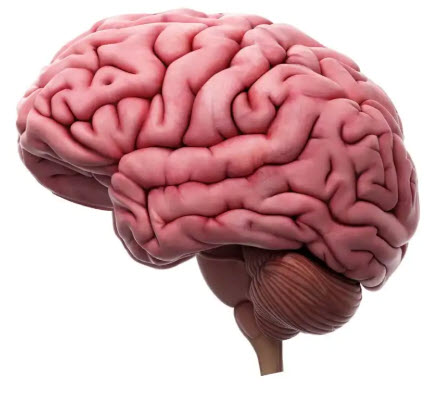
Retirement Mindset
Identity - Purpose - Transition

Retirement Income
Strategy - Side Income - Security

Faith & Purpose
Calling - Meaning - Community

Retirement Technology
Tools - Apps - Staying Current

Health & Wellness
Longevity - Energy - Vitality
FREE RESOURCE
Want to build purpose, income,
and confidence in retirement?
Join thousands of retirees who are designing their next chapter
with intention - not just hoping it works out.
Clarify your identity beyond your career
Build flexible retirement income
Rediscover purpose and faith
No spam. Just straight talk for the life side of retirement.
2026 Turnkey Services Pro ~ Privacy Policy ~ Home ~ Blog